
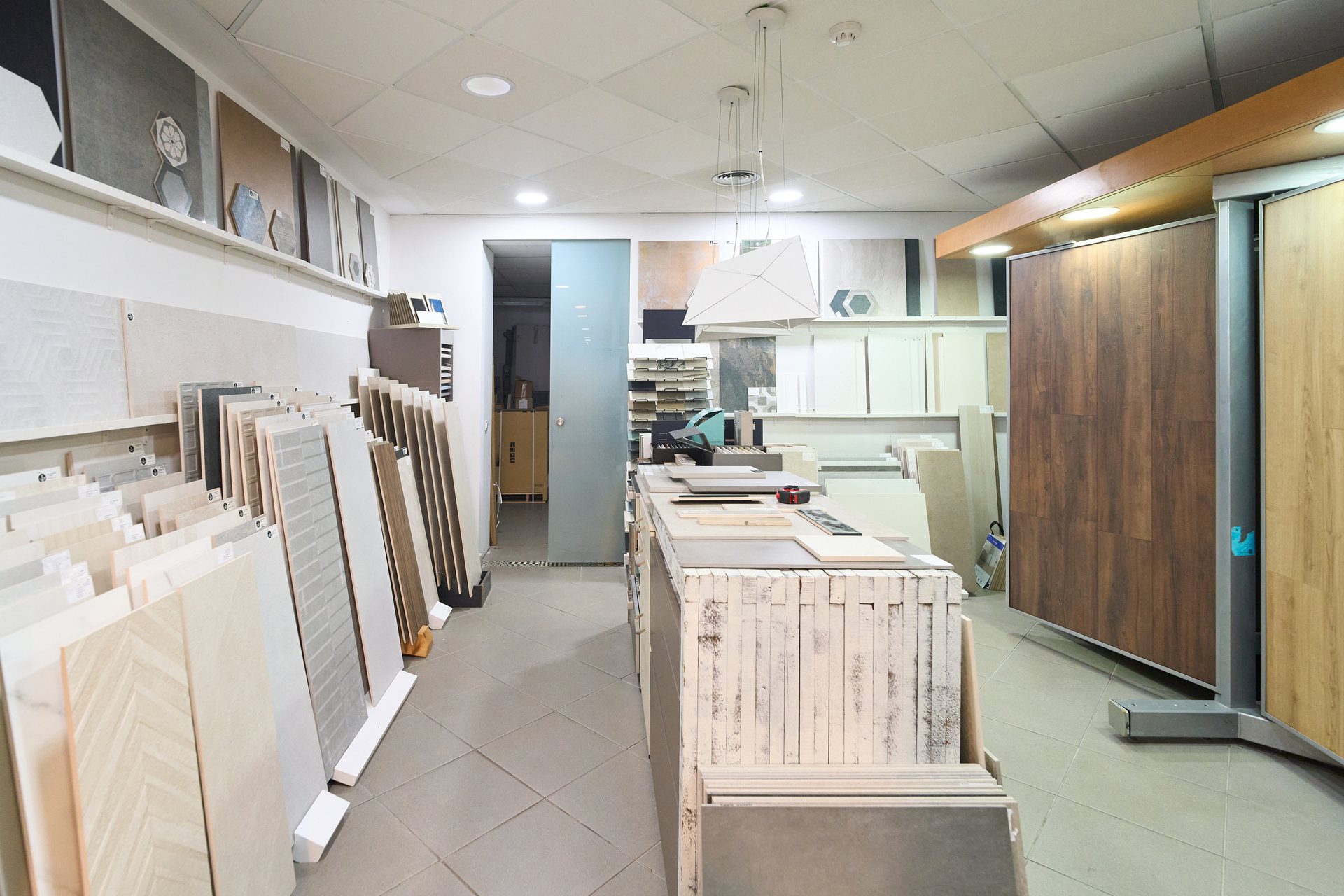

When it comes to choosing the right flooring for a commercial space, one of the most important considerations is the thickness of the material. The thickness of commercial floors plays a key role in ensuring durability, safety, comfort, and overall functionality. It’s not simply about laying a surface that looks good; commercial floors endure significant wear and tear, and their thickness can directly impact their longevity and performance. This article will explore the various factors that influence how thick commercial floors should be, helping business owners and decision-makers make informed choices for their spaces.
Understanding the Basics of Commercial Flooring Thickness
Before we dive into specific recommendations for different types of commercial spaces, it’s essential to understand what we mean by flooring thickness. For most flooring materials, thickness refers to the depth of the product, which includes any surface layers, underlayment, and the core construction of the material. In commercial settings, floors often consist of multiple layers designed to provide extra durability, sound absorption, moisture resistance, and comfort underfoot. The thickness of a commercial floor can range from a few millimetres to several centimetres depending on the material and intended use. Generally, the more foot traffic or wear a floor is expected to endure, the thicker it should be to ensure long-term performance. However, this can vary based on the type of flooring material and the specific requirements of the business.
Factors Influencing the Thickness of Commercial Floors
Type of Commercial Space
The type of business or commercial space plays a significant role in determining how thick the flooring should be. For instance, a retail store with heavy foot traffic and frequent deliveries may require thicker, more durable flooring compared to an office space where the traffic is lighter and more consistent. Similarly, the requirements for a healthcare facility with strict hygiene standards differ from those of a restaurant or hotel, where style and comfort might be more prominent factors. In an industrial setting, where machinery, heavy equipment, and forklift traffic are common, the flooring needs to be especially thick and robust. Thinner floors in such environments would likely wear down too quickly or even break under pressure, leading to costly repairs or replacements. On the other hand, spaces like classrooms or conference rooms may not require extremely thick flooring, as the demands placed on the surface are significantly lower.
Foot Traffic and Wear Resistance
One of the most significant factors in determining the appropriate thickness for commercial flooring is foot traffic. Spaces like shopping centres, airports, hotels, and public buildings experience high volumes of daily foot traffic, often combined with rolling loads from trolleys, luggage, or wheelchairs. In these environments, thicker flooring ensures better wear resistance and prevents the floor from wearing down prematurely. High foot traffic can also create friction and abrasion on flooring surfaces, so the material and thickness must be chosen with this in mind. Flooring designed to handle heavy footfall often includes additional layers, such as wear layers, that protect the design and structural integrity of the material. Thicker floors not only stand up to regular wear and tear better, but they also reduce the frequency of repairs and extend the life of the flooring, offering better long-term value.

Type of Flooring Material
Different flooring materials come with different thickness requirements based on their durability, composition, and intended use. Each type of commercial flooring has a typical thickness range that ensures its optimal performance.
Vinyl Flooring
Luxury vinyl tile (LVT) and sheet vinyl are popular choices for commercial spaces due to their durability, affordability, and versatility. In commercial settings, vinyl floors are typically thicker than those used in residential spaces, often ranging from 2mm to 6mm. For heavy traffic areas, LVT with a thicker wear layer of at least 0.5mm is recommended. The thicker the vinyl, the more durable and resistant it will be to scuffs, scratches, and dents, making it ideal for retail stores, healthcare facilities, and offices.
Carpet Tiles
Carpet tiles offer a cushioned, comfortable flooring option for many commercial environments, particularly offices, hotels, and educational institutions. Carpet tiles come in varying thicknesses, usually ranging from 5mm to 10mm, depending on the material and backing. Thicker carpet tiles provide more comfort underfoot and better sound insulation, which is important in spaces where noise reduction is a priority, such as open-plan offices or conference rooms.
Hardwood Flooring
Hardwood flooring brings a classic, elegant look to commercial spaces, and its thickness is critical for its durability and longevity. Commercial-grade hardwood floors are generally thicker than residential options, often ranging between 15mm and 22mm. Engineered hardwood, a popular alternative to solid wood in commercial settings, typically has a thickness of 12mm to 20mm. The thicker the hardwood, the more it can withstand heavy foot traffic and refinishing, which is often necessary in spaces like restaurants or luxury retail stores.
Tile Flooring
Porcelain and ceramic tiles are highly durable and commonly used in commercial kitchens, bathrooms, and other spaces that require waterproof flooring. The thickness of commercial-grade tiles typically ranges from 6mm to 12mm, with thicker tiles offering better resistance to cracks, chips, and impacts. Additionally, thicker tiles provide more stability and a longer lifespan, which is essential in environments like restaurants or hotels, where spills and heavy use are frequent.
Concrete Flooring
For industrial and heavy-duty commercial spaces, concrete is often the flooring material of choice due to its strength and durability. The thickness of a concrete floor depends on the load it will carry. In warehouses, factories, and garages, concrete floors are typically 75mm to 100mm thick, ensuring they can support the weight of heavy machinery and vehicles without cracking or breaking.

Safety and Comfort Considerations
Another important consideration in determining how thick a commercial floor should be is safety and comfort. Thicker floors often provide better shock absorption, which is crucial in environments where employees or customers spend a lot of time standing or walking. For example, thicker flooring in a hospital or care home can help reduce fatigue for staff who are on their feet for extended periods, while also providing a softer, safer surface for patients and visitors. Similarly, flooring in restaurants or retail spaces that include anti-fatigue properties can help improve the comfort of employees working long shifts, reducing the risk of injuries related to prolonged standing. For these reasons, many businesses opt for thicker flooring options that offer better support and comfort without sacrificing durability.
Moisture and Temperature Resistance
The local environment also plays a role in how thick commercial floors should be. In the UK, where temperature fluctuations and damp conditions are common, it’s important to choose flooring that can withstand moisture without warping or deteriorating. Thicker materials often provide better moisture resistance, especially in environments like kitchens, bathrooms, or areas prone to spills. In areas like Bolton where the weather is unpredictable, thicker flooring materials such as LVT, concrete, or porcelain tile are commonly used in commercial settings. These materials resist temperature changes, moisture, and humidity, ensuring long-lasting performance in the face of challenging environmental conditions.
Maintenance and Longevity
Another factor to consider when determining the appropriate thickness for commercial floors is how easy the floor is to maintain over its lifespan. Thicker floors generally require less frequent maintenance and repairs because they are more resistant to wear, tear, and damage. For example, thicker vinyl floors have a greater capacity to resist scratches and dents, while thicker carpet tiles can better withstand spills and stains without needing immediate replacement. When looking at long-term costs, it’s essential to consider how often the floor will need to be replaced. Thicker flooring typically has a longer lifespan, which means lower maintenance and replacement costs in the long run. Investing in a thicker, more durable flooring solution can save businesses significant expenses over time, especially in high-traffic environments like retail stores or public buildings.
Meeting Regulatory Requirements
In commercial spaces, there are often regulatory requirements that govern flooring, particularly in terms of safety, hygiene, and accessibility. For example, the UK Building Regulations may require specific slip-resistant surfaces or particular levels of fire resistance in certain environments, such as healthcare facilities, schools, or restaurants. In these cases, the thickness of the floor can contribute to meeting these standards, as thicker floors often provide additional layers of protection and compliance with industry standards.
Choosing the Right Thickness for Commercial Floors
Selecting the right thickness for commercial floors is essential for ensuring both the functionality and longevity of the space. The decision should take into account the type of commercial environment, the amount of foot traffic, the material being used, and the specific needs of the business. By choosing a floor that is thick enough to withstand wear, moisture, and environmental conditions, businesses can ensure a safer, more durable, and cost-effective solution that will stand the test of time. At Banks Flooring Solutions, we understand the importance of choosing the right flooring thickness for your commercial space. Our team of experts can guide you through the process, helping you select the perfect thickness to meet your needs, whether you’re outfitting a retail shop, office, or industrial facility. Contact us today.