

When planning a new flooring installation, one of the most common questions we are asked is whether vinyl flooring can be installed over an existing floor. For many businesses and homeowners, the idea of avoiding a full floor removal is appealing, as it can save both time and disruption. In many cases, the answer is yes, but it depends on several important factors.
Installing vinyl flooring over an existing surface can be a practical and efficient solution when done correctly. However, it is not always as simple as laying the new material on top of what is already there. The condition of the existing floor, the type of vinyl being used, and the environment all play a role in determining whether this approach will deliver a long-lasting and professional result.
When Installing Over Existing Flooring Is Possible
Vinyl flooring is known for its versatility, and in many situations, it can be installed over an existing floor without the need for full removal. This is particularly true when the current surface is stable, smooth, and free from major damage.
Surfaces such as concrete, tiles, and certain types of existing vinyl can often provide a suitable base for new vinyl flooring. In these cases, installing over the existing floor can reduce installation time and minimise disruption, which is especially beneficial in commercial environments where downtime needs to be kept to a minimum.
However, just because it is possible does not mean it is always the best option. Each project should be assessed individually to ensure that the final result meets both performance and aesthetic expectations.
The Importance of Subfloor Condition
The condition of the existing floor is the most important factor when deciding whether vinyl can be installed on top of it. The surface needs to be smooth, level, and structurally sound. Any imperfections, such as cracks, uneven areas, or loose sections, can affect how the new flooring sits and performs over time.
Vinyl flooring is flexible, which means it can highlight imperfections in the surface beneath it. Even small irregularities can become visible once the new floor is installed, impacting both appearance and durability.
Preparing the subfloor properly may involve filling gaps, smoothing uneven areas, or securing loose sections. In some cases, a self-levelling compound may be required to create a suitable base. Taking the time to prepare the surface correctly is essential for achieving a high-quality finish.
Types of Existing Floors That Work Well
Some existing floor types are more suitable than others when it comes to installing vinyl over the top. Hard, stable surfaces such as ceramic tiles or well-bonded concrete are often ideal, as they provide a solid foundation.
Existing vinyl flooring can also sometimes be used as a base, provided it is in good condition and securely fixed. However, softer surfaces such as carpet or heavily cushioned flooring are not suitable, as they do not provide the stability needed for a successful installation.
Wooden floors can be more challenging, particularly if there is movement or unevenness. In these cases, additional preparation or a different installation approach may be required to ensure the new flooring performs as expected.
Choosing the Right Type of Vinyl Flooring
The type of vinyl flooring you choose can influence whether it is suitable for installation over an existing floor. Sheet vinyl, luxury vinyl tiles (LVT), and click vinyl all have different installation requirements.
Click vinyl systems are often more forgiving, as they create a floating floor that does not rely on adhesive. However, they still require a level and stable surface to perform properly. Glue-down vinyl options require a well-prepared subfloor to ensure proper adhesion and long-term durability.
Selecting the right product for your specific environment and installation conditions is key to achieving the best results.
Managing Height and Transitions
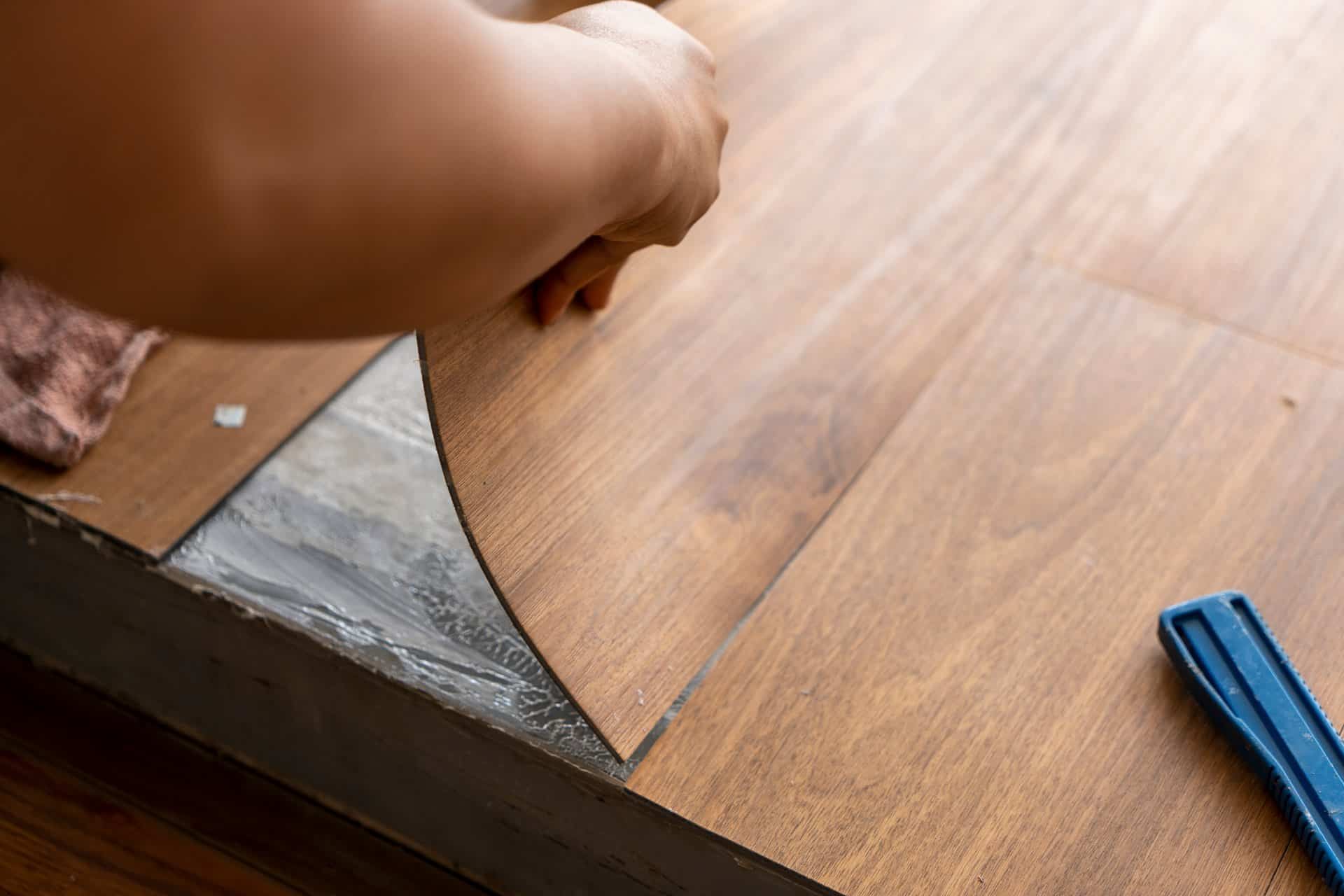
One factor that is sometimes overlooked when installing vinyl over an existing floor is the increase in floor height. Adding a new layer of flooring can affect door clearances, skirting boards, and transitions between rooms.
It is important to consider how the new floor will integrate with the rest of the space, ensuring that doors can open and close properly and that transitions between different flooring types are smooth and safe. In commercial environments, this is particularly important for maintaining accessibility and compliance with regulations.
Moisture Considerations
Moisture is another important factor to consider, particularly in areas where humidity or water exposure is common. If the existing floor has moisture issues, installing vinyl on top can trap that moisture and lead to problems over time.
Before proceeding with installation, it is important to assess whether moisture is present and address any underlying issues. This helps prevent damage to the new flooring and ensures it performs as intended.
Advantages of Installing Over Existing Flooring
One of the main benefits of installing vinyl over an existing floor is the reduction in installation time and disruption. Removing old flooring can be time-consuming and messy, particularly in commercial settings where operations need to continue.
By installing over the existing surface, businesses can often complete projects more quickly, minimising downtime and allowing spaces to return to normal use sooner. This approach can also reduce labour costs and simplify the overall process.
When Removal Is the Better Option
While installing over an existing floor can be convenient, there are situations where removal is the better choice. If the current flooring is damaged, uneven, or unstable, laying vinyl on top is likely to result in poor performance and a shorter lifespan.
In these cases, removing the existing floor and preparing the subfloor properly provides a more reliable foundation for the new installation. This may require more time and effort initially, but it often delivers better long-term results.
Avoiding Common Installation Mistakes
One of the most common mistakes when installing vinyl over an existing floor is underestimating the importance of preparation. Skipping steps such as cleaning, levelling, or repairing the surface can lead to issues such as lifting, uneven wear, or visible imperfections.
Another mistake is choosing the wrong type of vinyl for the environment. Ensuring that the product is suitable for the level of foot traffic and conditions it will face is essential for achieving a durable and long-lasting result.
The Role of Professional Installation
While it may be tempting to approach flooring installation as a DIY project, professional installation offers significant advantages. Experienced installers understand the complexities of working with different surfaces and can assess whether installing over an existing floor is the right approach.
Professional installation ensures that the subfloor is properly prepared, the correct materials are used, and the final result meets a high standard. This not only improves the appearance of the flooring but also helps maximise its lifespan.
Making the Right Decision for Your Space
Deciding whether to install vinyl flooring over an existing floor comes down to understanding the condition of the surface, the type of vinyl being used, and the demands of the environment. While it can be a practical and efficient solution in many cases, it is important to ensure that the conditions are right for a successful installation.Taking the time to assess your space and choose the right approach helps ensure that your new flooring performs well and looks great for years to come. At Banks Flooring Solutions, we work with clients to determine the best installation method for their specific needs, ensuring that every project is completed to a high standard. Based in the North West, we support local businesses and homeowners while also working across wider areas, delivering vinyl flooring solutions that are built to last and designed to perform in demanding environments.