


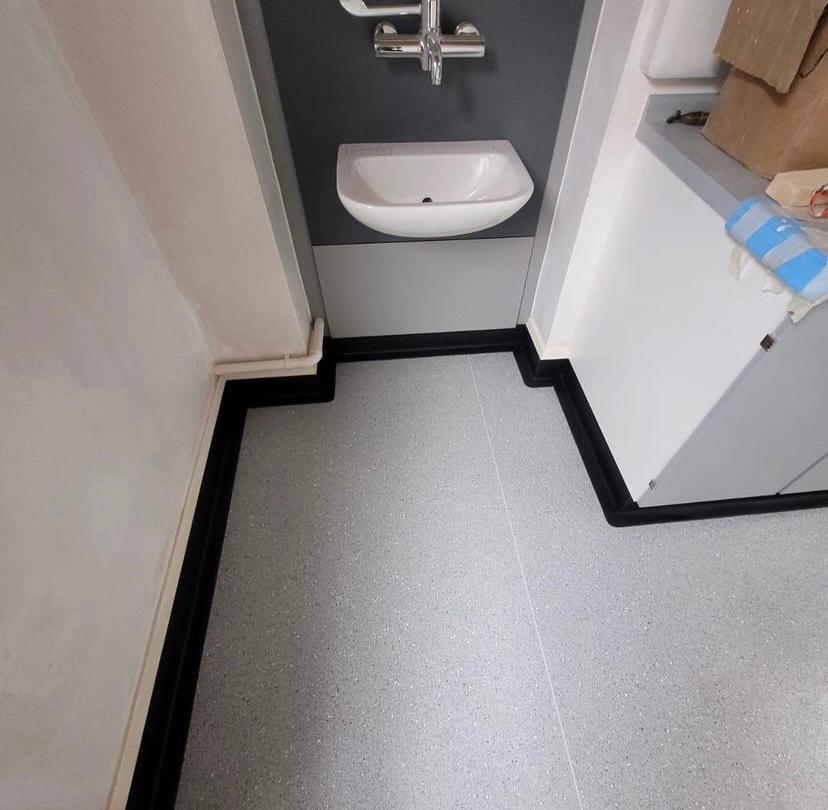
Vinyl flooring has long been a favourite choice for both residential and commercial spaces in the UK. Its durability, ease of maintenance and affordability make it an obvious contender when selecting a hard-wearing surface. Yet one of the most common questions asked by buyers, designers, and property developers is: how thick is commercial vinyl flooring? The answer isn’t always straightforward because commercial vinyl comes in various thicknesses, each suited to specific environments and foot traffic levels.
Understanding the thickness of vinyl flooring is crucial not just for durability but also for comfort underfoot, acoustic properties, and compatibility with underfloor heating. This article takes a deep dive into commercial flooring thicknesses, what those measurements actually mean, and how they influence performance in high-demand environments like hospitals, schools, retail units and offices.
What Is Commercial Vinyl Flooring?
Before delving into the finer points of thickness, it helps to define what commercial vinyl flooring actually is. Unlike domestic vinyl flooring, which is designed for light foot traffic and comfort, commercial vinyl flooring is engineered for resilience. It’s built to handle high footfall, frequent cleaning, and occasional impact from furniture, trolleys or equipment. This makes it particularly popular in sectors such as healthcare, education, hospitality, retail, and office environments.
Commercial vinyl can be either sheet vinyl or luxury vinyl tile (LVT). Both have distinct use cases, but they share one thing in common: the need for increased durability. Thickness plays a key role in achieving that durability.
What Does Vinyl Flooring Thickness Refer To?
When people refer to vinyl flooring thickness, they’re usually talking about one of two things. First, there’s the overall thickness of the vinyl product. This measurement includes all layers from the backing through to the top wear layer. Second, and arguably more important, is the wear layer thickness – the top transparent protective coating that defends against wear and tear, scuffing, and scratching.
In commercial settings, both the overall thickness and the wear layer thickness matter. A thicker wear layer generally equates to a longer lifespan, while the total thickness impacts how comfortable the floor feels and how it performs in terms of sound absorption and insulation.
Typical Thickness Ranges for Commercial Vinyl
In the UK market, commercial vinyl flooring typically ranges from around 2 mm to 5 mm in overall thickness. However, luxury vinyl tiles designed for commercial use can reach up to 6 mm or more, particularly if they include a soundproofing underlayer or added structural features.
The wear layer on commercial vinyl flooring tends to range between 0.5 mm and 1 mm. Although this might not sound particularly thick, these micro-layers are engineered from extremely durable polyurethane or similar compounds, making them resistant to abrasion, stains, and moisture ingress.
Why Thickness Matters in Commercial Settings
The main reason thickness matters in commercial vinyl flooring is durability. Thicker flooring generally copes better with heavy traffic and intensive cleaning regimes. In areas such as NHS facilities or school corridors, vinyl flooring might see thousands of footsteps each day, as well as wheelchairs, trolleys and cleaning machinery.
A thicker wear layer means the flooring is less likely to wear through quickly, extending its useful life and saving costs on early replacement. For areas prone to moisture, a thicker vinyl sheet can also offer better water resistance, especially if the seams are heat welded for a watertight finish.
Acoustics are another reason to go thicker. In environments where noise control is a priority – such as offices or upper-storey retail units – thicker commercial vinyl with integrated acoustic backing can help reduce footfall sound and echo.
Sheet Vinyl vs Luxury Vinyl Tile: Thickness Considerations
When comparing commercial sheet vinyl and commercial LVT, both offer great performance, but the thickness profiles differ slightly.
Sheet vinyl is typically thinner, with overall thicknesses between 2 mm and 3 mm being most common. Despite being thinner, it’s often reinforced with fibreglass layers for stability and features a robust wear layer for protection. Its continuous surface makes it a popular choice in healthcare environments where hygiene and seamlessness are paramount.
Luxury vinyl tiles tend to be thicker, often falling between 3 mm and 6 mm overall. This added depth can include rigid core layers, acoustic backing and more substantial wear layers. LVT is especially popular in commercial interiors where aesthetics matter, such as hotels, retail shops, and upmarket office spaces. The added thickness also makes it more comfortable underfoot, which can be a selling point in environments where staff are standing for long hours.
Is Thicker Always Better?
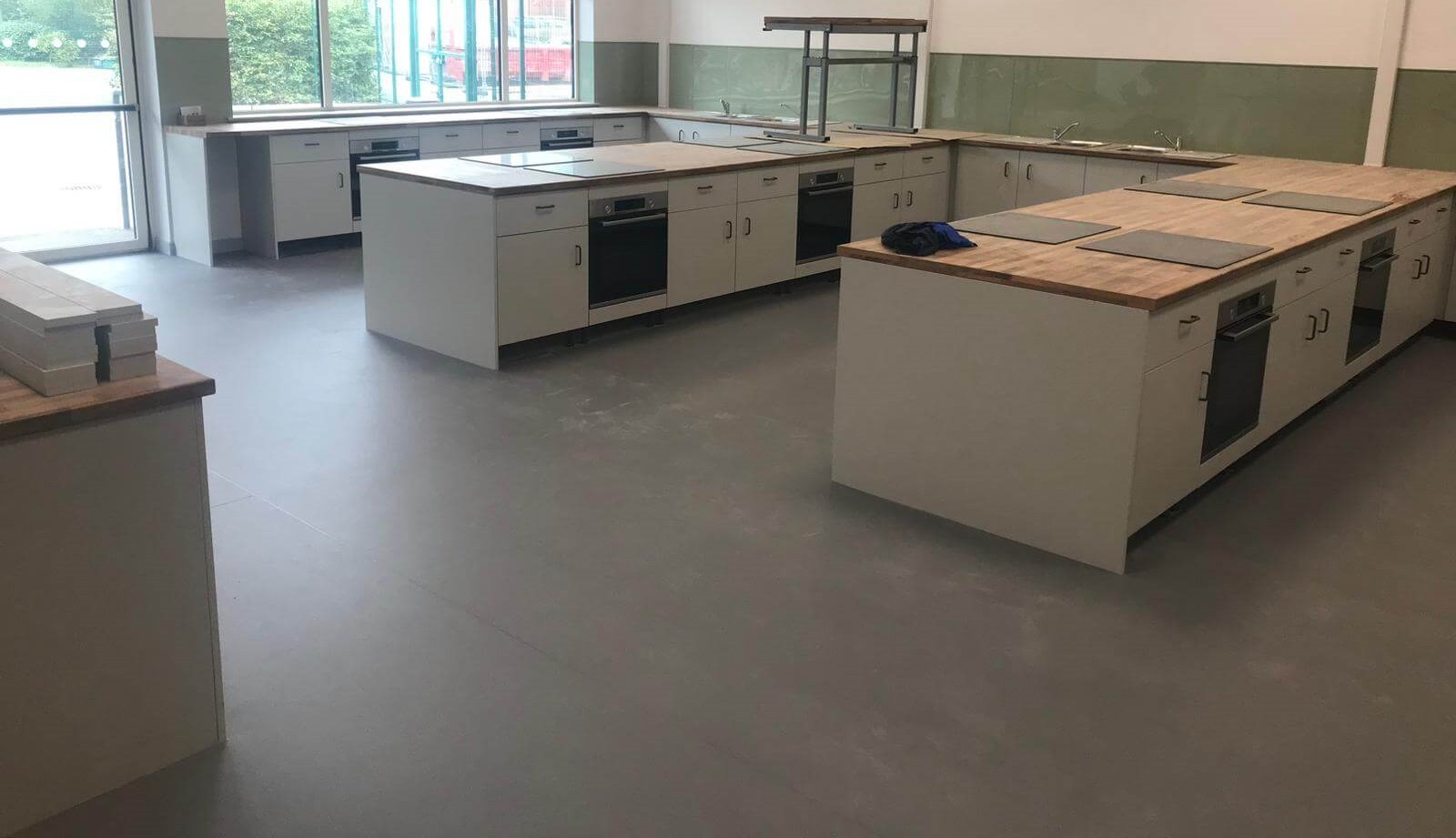
While it’s tempting to assume that thicker vinyl flooring is always superior, it’s not necessarily the case. What’s most important is choosing the right specification for the intended use. Over-specifying thickness might result in unnecessary costs, especially for areas that don’t receive intense traffic. Conversely, under-specifying can lead to premature wear and expensive early replacement.
For example, a high-end LVT with a 1 mm wear layer and a 6 mm overall thickness might be overkill for a small staff kitchen or back office. On the other hand, a thinner vinyl sheet with a 0.3 mm wear layer would be wholly unsuitable for a busy high-street shop or A&E department.
It’s also worth considering installation constraints. Thicker flooring may pose height issues, especially in refurbishment projects where existing door thresholds or adjoining floor levels must be maintained. Thinner vinyl products are often easier to fit in such scenarios without major structural adjustments.
How Thickness Affects Maintenance and Lifespan
Another important consideration is how thickness impacts maintenance. Thicker wear layers not only resist scratching and scuffing better, but they also tend to retain their finish longer. This means that periodic polishing or recoating can be delayed, saving on maintenance costs.
In environments like hospitality or healthcare where cleanliness is paramount, this becomes especially valuable. Floors with a robust wear layer can be scrubbed frequently with rotary machines or steam cleaners without degrading quickly. In contrast, thinner vinyl floors may begin to show signs of dullness or surface wear much sooner, even under routine cleaning protocols.
Commercial Flooring Standards and Guidelines in the UK
In the UK, commercial flooring is subject to various standards and certifications. While thickness isn’t always explicitly mandated, many British Standards (like BS EN 649 for resilient floor coverings) imply certain durability levels, which correlate strongly with wear layer thickness.
Flooring products used in healthcare, for instance, must often comply with Department of Health guidelines that prioritise hygiene, slip resistance and resilience. In educational settings, Building Bulletin 93 (BB93) also considers acoustic performance, which can again be influenced by the thickness of the flooring.
Suppliers and manufacturers usually indicate whether a product is suitable for commercial use, and part of that suitability is based on its thickness profile. Always look for a product’s classification according to EN ISO 10874 (formerly EN 685), which categorises flooring for domestic, light commercial, general commercial or heavy industrial use. The thicker and tougher the floor, the higher the classification it typically receives.
The Role of Subfloor Preparation
It’s important to mention that the success of any commercial vinyl flooring installation depends heavily on the quality of the subfloor. Even the thickest vinyl won’t perform well if laid over an uneven, damp or unstable base. Thinner vinyl flooring in particular can highlight imperfections underneath, so proper levelling and damp-proofing are essential.
In some cases, thicker LVT products with rigid cores can tolerate minor irregularities better, making them a good option for refurbishment projects where extensive subfloor work isn’t practical. However, this should never be seen as a substitute for good preparation.
Trends in Commercial Vinyl Flooring
Thickness isn’t just a functional consideration – it also intersects with trends in commercial interior design. As demand grows for flooring that blends durability with style, manufacturers are developing thicker products with integrated features like noise reduction, underfoot comfort and realistic wood or stone textures.
Rigid core LVTs, often featuring layers of mineral composite or stone plastic composite (SPC), are gaining ground in UK commercial markets. These products often range from 4 mm to 6 mm thick and include click-lock installation systems, making them a practical and visually appealing solution for commercial spaces that require fast refurbishment turnarounds.
In sustainable construction projects, thickness also factors into lifecycle cost assessments. A thicker vinyl floor with a durable wear layer can offer lower long-term costs through reduced maintenance and longer replacement intervals – key considerations for commercial property managers and facilities teams.
Final Thoughts: Choosing the Right Thickness for Your Project
In summary, the thickness of commercial vinyl flooring plays a vital role in how it performs, feels, and lasts over time. Whether you’re refurbishing an office in Manchester, opening a retail space in Birmingham or fitting out a clinic in London, selecting the right thickness will have long-term implications.
For most commercial spaces, an overall vinyl thickness of 2 mm to 3 mm is sufficient, especially for sheet vinyl. If you’re opting for luxury vinyl tile or want additional acoustic performance, products between 4 mm and 6 mm may be more suitable. The wear layer is just as important, with a 0.5 mm thickness often seen as the benchmark for general commercial use, and up to 1 mm for more demanding environments.
Always consult with a trusted flooring supplier or contractor familiar with UK regulations and building standards. They’ll help guide you toward a product that matches both the practical requirements of your space and the expectations of your clients or end users.
Vinyl flooring may be simple in principle, but in commercial applications, the details matter. Thickness is one of those details that can make the difference between a floor that fails within a few years and one that stands the test of time. Contact the team at Banks Flooring Solutions today.