

The evolution of flooring over the last century is a fascinating journey through time, reflecting broader changes in technology, society, and environmental awareness. From the ornate parquet of the early 1900s to today’s sustainable and technologically advanced options, flooring has continuously adapted to meet the changing tastes and needs of homeowners and businesses alike. This exploration into the transformation of flooring materials, designs, and technologies reveals not only advancements in functionality and aesthetics but also a shift towards more sustainable and user-friendly options.
The Early 20th Century: Elegance and Craftsmanship
At the beginning of the 20th century, flooring was a symbol of wealth and status. Homes of the affluent often featured exquisite hardwood parquet floors, intricately designed and meticulously handcrafted. These floors were seen as works of art, with patterns and motifs that reflected the grandeur of the era. In contrast, the working class had more practical and affordable materials, such as linoleum, which became widely popular due to its durability and ease of cleaning. Linoleum, made from a combination of linseed oil, cork dust, and wood flour, offered a resilient and low-maintenance flooring option that could mimic more expensive materials.
The Mid-20th Century: Innovation and Mass Production
The post-war era brought significant changes to flooring, driven by technological advancements and a booming housing market. The 1950s and 60s saw the introduction of vinyl, a synthetic material that quickly became popular for its affordability, durability, and wide range of designs. Vinyl flooring offered the look of hardwood or stone at a fraction of the cost, making stylish flooring accessible to the masses. This period also saw the rise of wall-to-wall carpeting, which became synonymous with modern home comfort. Advances in synthetic fibres made carpets softer, more durable, and available in a wider array of colours and textures. Carpeting became a staple in homes, reflecting a desire for comfort and warmth.
The Late 20th Century: Environmental Awareness and Return to Natural Materials
By the 1970s and 80s, environmental concerns and a growing appreciation for natural materials led to a resurgence in the popularity of hardwood floors. Advances in installation and finishing techniques made hardwood flooring more accessible and easier to maintain. The environmental movement of the late 20th century also saw a shift towards sustainable and natural flooring options, such as bamboo and cork. These materials offered an eco-friendly alternative to traditional hardwoods, with the added benefits of durability and unique aesthetic appeal. Additionally, the late 20th century witnessed the introduction of engineered wood, which provided the beauty of hardwood with added stability and resistance to moisture.
The 21st Century: Technological Advancements and Personalisation
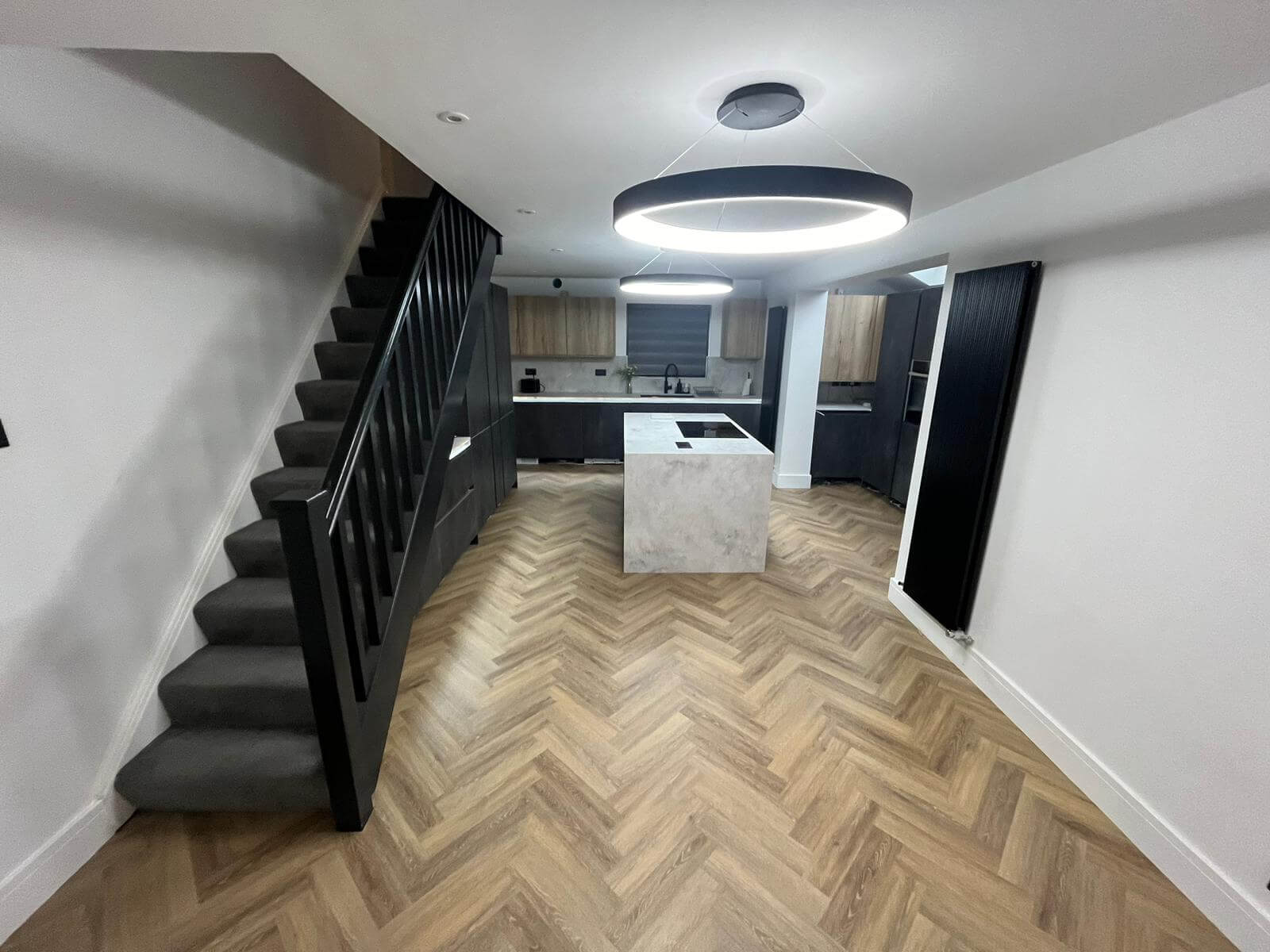
The turn of the millennium has seen remarkable innovations in flooring, with technology playing a key role in development. Digital printing technology has revolutionised vinyl and laminate flooring, allowing for incredibly realistic wood, stone, and ceramic tile looks. These materials are now more durable, water-resistant, and easy to install, making them suitable for every room in the house. The 21st century has also seen a focus on personalisation and customisation, with homeowners seeking flooring options that reflect their unique style and needs. Additionally, the rise of smart home technology has led to the development of flooring with built-in heating and the ability to interact with other smart home systems, enhancing comfort and convenience.

Sustainability and Eco-Friendliness
Today, sustainability is a critical factor in the choice of flooring materials. Consumers are increasingly seeking options that are not only beautiful and functional but also environmentally responsible. Recycled materials, sustainable wood sources, and low-VOC (volatile organic compounds) finishes are now priorities for many. The flooring industry has responded with products that meet these demands, including reclaimed wood floors, eco-friendly linoleums, and carpets made from recycled plastics. The move towards green building standards and certifications has further propelled the adoption of sustainable flooring solutions.
Adaptation to Lifestyle Changes
As lifestyles have evolved, so too has flooring adapted to meet new demands and preferences. The rise of open-plan living and the blurring of indoor and outdoor spaces have influenced flooring choices, pushing for materials that offer both beauty and functionality across different environments. The demand for low-maintenance, durable flooring has grown, reflecting busier lifestyles and the desire for easy-clean options. Hybrid flooring options, combining the durability of laminate with the waterproof qualities of vinyl, have emerged as popular choices for modern homes. These materials can withstand the rigours of daily life, including pets and children, without sacrificing style. Moreover, the increasing prevalence of home offices has led to a need for flooring that is comfortable for prolonged periods, especially for those standing or walking around. The adaptation of flooring to lifestyle changes demonstrates the industry’s responsiveness to the evolving needs of consumers, ensuring that homes remain both functional and stylish.
The Influence of Global Trends
Globalisation has had a profound impact on flooring trends, with influences from around the world shaping preferences and availability. The growing interest in Scandinavian design has popularised light wood floors, contributing to a minimalist and airy aesthetic that enhances natural light. Similarly, the appeal of Mediterranean tiles has introduced vibrant patterns and textures into flooring, offering a bold statement in modern interiors. Advances in manufacturing and global logistics have made it easier to source authentic materials from around the world, such as Italian marble or Brazilian hardwood, bringing a touch of global luxury into homes. This global exchange of ideas and materials has enriched the variety of flooring options available, allowing homeowners to infuse their spaces with international flair and character.

Environmental Impact and Recycling Initiatives
The environmental impact of flooring materials and production processes has come under scrutiny, leading to significant changes in how flooring is manufactured, used, and disposed of. Recycling initiatives have become increasingly important, with companies developing programs to reclaim and recycle old flooring, reducing waste and promoting sustainability. The use of recycled materials in new flooring products is growing, from recycled wood and plastic to rubber and glass, reflecting a commitment to reducing the environmental footprint. Additionally, the lifecycle of flooring products is a key consideration, with efforts to extend the durability and usability of flooring to minimise the need for frequent replacements. These initiatives reflect a broader shift towards sustainability and environmental responsibility in the flooring industry, aligning with consumer values and regulatory demands for greener building materials.
Looking to the Future
As we look towards the future, it’s clear that flooring will continue to evolve, shaped by advancements in technology, changing lifestyles, and an increasing emphasis on sustainability. Innovations in materials and manufacturing processes will likely produce even more durable, sustainable, and aesthetically pleasing flooring options. Moreover, the integration of technology into flooring—such as the ability to generate electricity or change colour and patterns—could transform floors from passive elements of our spaces into active contributors to our home environment. The last century has seen profound changes in the world of flooring, reflecting broader shifts in technology, society, and environmental consciousness. From the luxurious parquets of the early 1900s to today’s sustainable and technologically advanced options, the journey of flooring through the last century is a testament to human ingenuity and the relentless pursuit of improvement.
Get In Touch
As we move forward, the lessons learned and the values embraced during this journey will continue to guide the evolution of flooring, ensuring that it meets the needs of future generations while respecting the planet that sustains us all. The transformation of flooring over the last century is a mirror to the broader changes in society, reflecting advances in technology, shifts in lifestyle, and a growing consciousness of environmental impacts. From the artistry of early 20th-century parquets to the innovative, eco-friendly materials of today, flooring has continually adapted to meet the evolving needs and preferences of users. As we look to the future, the flooring industry is poised to continue this trajectory of innovation and adaptation, driven by technological advancements, global influences, and a steadfast commitment to sustainability. The floors beneath our feet are more than just surfaces to walk on; they are a testament to human creativity and a constant pursuit of improvement, comfort, and sustainability. Contact the team at Banks Flooring Solutions.