
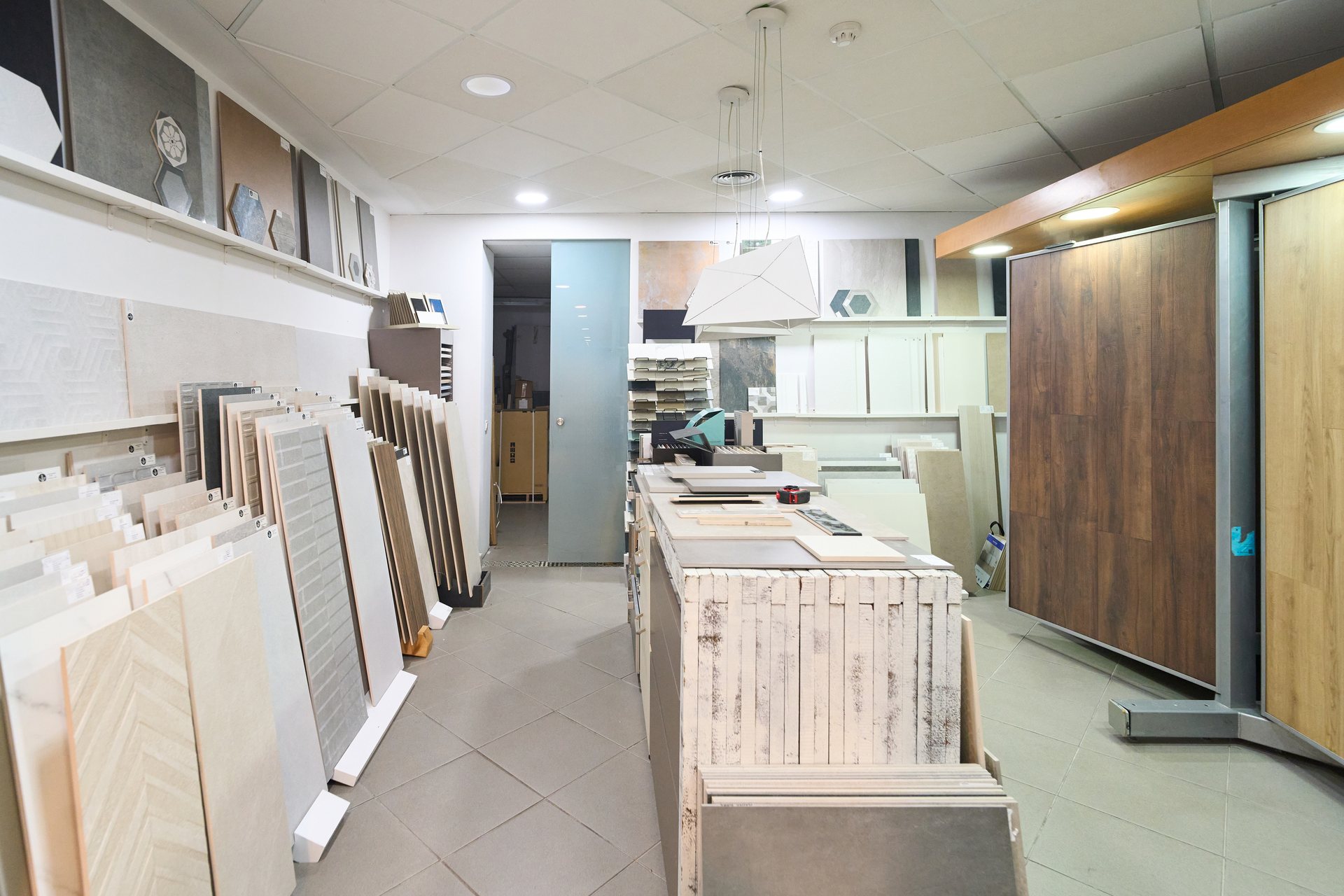


When it comes to home improvement and renovation, one of the most popular choices for flooring is vinyl. Known for its durability, affordability, and aesthetic versatility, vinyl flooring has become a staple in many homes across the UK. However, one common question that arises during the installation process is whether underlay is necessary for vinyl flooring. This question is crucial, as the decision can affect the longevity, comfort, and overall performance of your new floor. To provide a comprehensive answer, let’s delve into the different aspects of vinyl flooring and the role of underlay.
Understanding Vinyl Flooring
Vinyl flooring is a synthetic cousin of linoleum and is available in two main forms: sheet vinyl and vinyl planks or tiles. Sheet vinyl is typically rolled out in large sections, providing a seamless look ideal for bathrooms and kitchens. On the other hand, vinyl planks and tiles are designed to mimic the appearance of natural wood or stone, offering a more luxurious and realistic aesthetic. One of the primary reasons homeowners choose vinyl flooring is its ease of maintenance and water-resistant properties. It’s perfect for high-traffic areas and rooms prone to moisture. However, to ensure that vinyl flooring performs at its best, it’s essential to consider the subfloor and the potential need for underlay.
The Role of Underlay
Underlay serves several purposes in flooring installations. It can provide added cushioning, noise reduction, thermal insulation, and moisture protection. For some types of flooring, underlay is a necessity, enhancing the comfort and durability of the floor. But when it comes to vinyl flooring, the need for underlay can vary depending on several factors, including the type of vinyl and the condition of the subfloor.
Vinyl Flooring and Subfloor Conditions
The condition of your subfloor is a significant factor in determining whether you need underlay for vinyl flooring. Vinyl flooring is relatively thin compared to other types of flooring like laminate or hardwood. As a result, it can easily conform to the shape of the subfloor beneath it. If the subfloor is uneven, has imperfections, or is not smooth, these issues can become apparent on the surface of the vinyl floor. In such cases, underlay can be beneficial. A quality underlay can help level out minor imperfections, providing a smoother surface for the vinyl to adhere to. This not only improves the appearance of the floor but also helps prevent damage to the vinyl over time. Additionally, the underlay can add a layer of cushioning, making the floor more comfortable to walk on.

Types of Underlay for Vinyl Flooring
If you determine that underlay is necessary for your vinyl flooring, it’s important to choose the right type. There are several options available, each with its specific benefits.
Foam underlay is a popular choice due to its affordability and ease of installation. It provides basic cushioning and noise reduction, making it suitable for most residential applications. However, foam underlay may not offer the best moisture protection, so it’s essential to consider the environment where the flooring will be installed.
Felt underlay is another option, known for its durability and superior cushioning properties. It’s an excellent choice for areas where comfort is a priority, such as bedrooms and living rooms. Felt underlay can also help with noise reduction, making it a good choice for multi-story homes or flats.
Rubber underlay offers excellent moisture resistance, making it ideal for areas like bathrooms and kitchens. It provides a good balance of cushioning and durability, ensuring that your vinyl flooring remains in top condition for longer. Rubber underlay can also be a good choice for areas with high foot traffic due to its resilience.
When Underlay is Not Necessary
In some cases, underlay may not be necessary for vinyl flooring. Many modern vinyl floors, especially luxury vinyl tiles (LVT) and planks, come with a built-in underlay. These products are designed to be installed directly onto the subfloor, providing the benefits of underlay without the need for an additional layer. If your vinyl flooring has a built-in underlay, adding an extra layer could potentially cause issues with installation and stability.
Additionally, if your subfloor is already in excellent condition – smooth, even, and dry – you may not need underlay at all. In such scenarios, the vinyl can be installed directly onto the subfloor, saving you time and money. However, it’s always a good idea to consult with a flooring professional to ensure that skipping the underlay won’t affect the performance of your vinyl flooring.

Moisture Considerations
One of the critical factors to consider when deciding on underlay is moisture. Vinyl flooring is water-resistant, but moisture from the subfloor can still pose a risk. If you’re installing vinyl flooring in a basement or over a concrete subfloor, moisture can seep up from the ground and damage the flooring over time. In such cases, a moisture-resistant underlay is essential to protect your investment. Moisture barriers can be included with certain types of underlay or installed separately as a membrane beneath the underlay. This added protection helps prevent moisture from reaching the vinyl flooring, thereby extending its lifespan and maintaining its appearance.
Conclusion
Whether you need underlay for vinyl flooring depends on various factors including the type of vinyl, the condition of your subfloor, and the environment where the flooring will be installed. While underlay can provide additional comfort, noise reduction, and moisture protection, it may not always be necessary, especially with modern vinyl floors that come with built-in underlay. Ultimately, the decision should be based on a careful assessment of your specific situation. Consulting with flooring professionals can provide valuable insights and ensure that you make the best choice for your home. By considering these factors, you can enjoy the benefits of vinyl flooring – its durability, affordability, and aesthetic appeal – while ensuring it performs optimally for years to come. Speak to the experts at Banks Flooring Solutions when it comes to all of your flooring needs. Contact us today.