
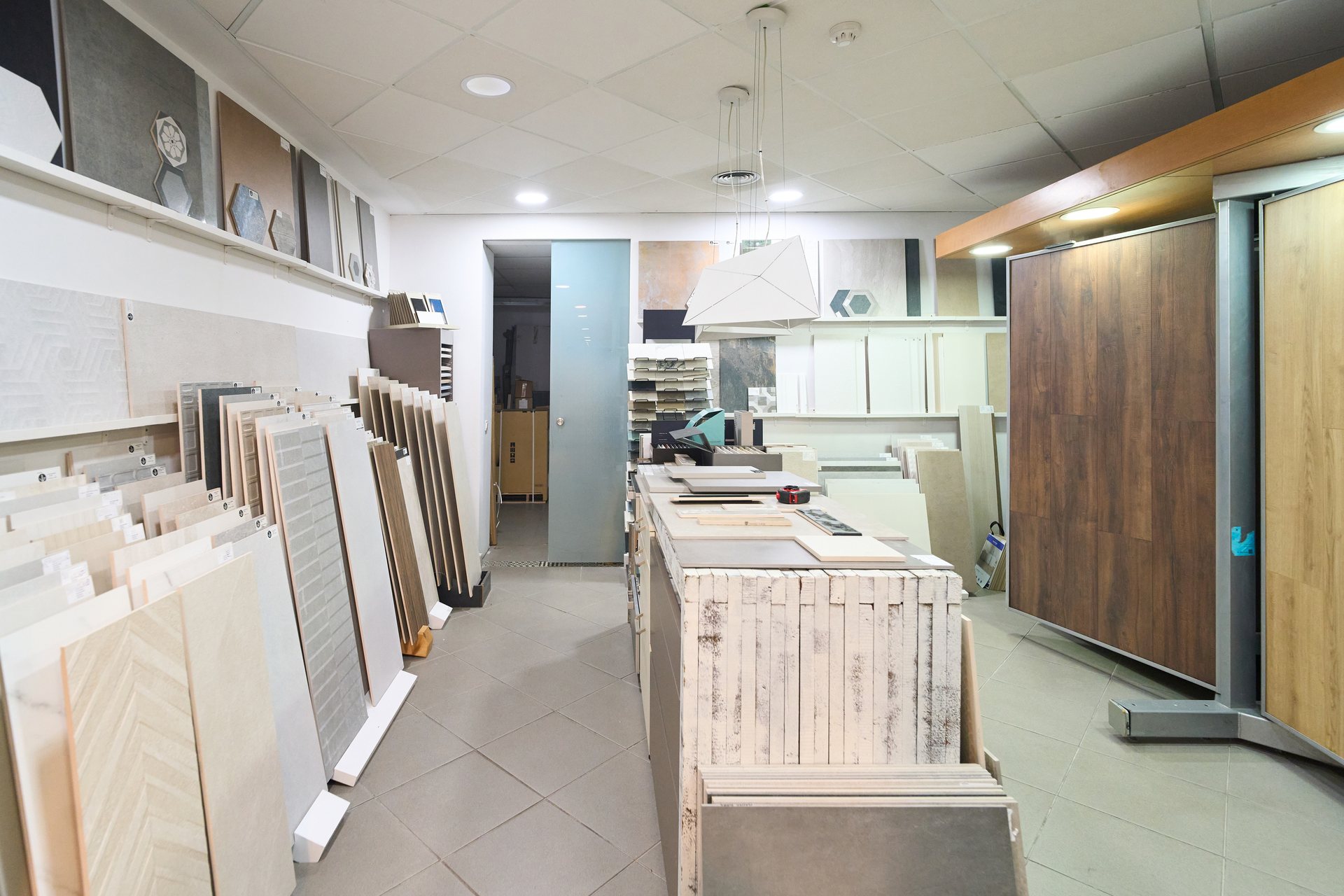


Choosing the right flooring is not just about what looks nice in a sample book. It is about how you live, how you use each room, and what you want your home or workplace to feel like day to day. At Banks Flooring Solutions, we fit floors across Lancashire and the wider North West, and we see the same issues again and again when people choose purely on appearance. A floor that looks perfect in a showroom can be the wrong choice for a busy kitchen, a damp bathroom, or a hallway that takes constant foot traffic. The good news is that once you understand what each room needs, picking the right flooring becomes much easier.
We often speak to customers looking for flooring who want clear, simple advice rather than technical jargon. The truth is that different rooms have different priorities. Some spaces need durability and easy cleaning, others need comfort and warmth, and some need a finish that can cope with moisture or heavy use. In this blog, we will walk you through how to choose the right flooring for different rooms, in plain UK English, with practical tips we use on real projects.
Start With How The Room Is Used
Before you pick a material or a colour, think about how the room actually works in your life. A quiet bedroom has very different demands compared to a busy hallway where shoes, bags, and muddy footprints come through daily. Kitchens deal with spills and regular cleaning. Bathrooms deal with moisture and humidity. Living rooms need comfort, but they also need to be practical if you have children or pets. Workspaces and home offices might need a floor that supports rolling chairs and reduces noise.
When we visit a property, we always ask simple questions first. Who uses the room? How often is it used? Is it a high traffic area? Does it get wet? Will you be moving furniture often? If you answer these properly, you can narrow down your choices quickly. Flooring should support the way you live, not create extra work. That is why we always recommend thinking about function first, and style second. When you get that balance right, you end up with a floor that looks good and stays looking good.
Hallways And Entrances Need Durability
Hallways and entrances are often the hardest working parts of a home. They take constant footfall, they deal with grit and moisture, and they are usually the first place to show wear. If you want a floor that stays presentable in a hallway, durability and easy cleaning should be your top priorities. In many homes, luxury vinyl tile or sheet vinyl works very well because it is hardwearing, simple to wipe clean, and available in designs that look like wood or stone.
Laminate can also work in hallways, but it needs to be a good quality product and it needs the right underlay. Moisture at the door can be an issue, so you need to be careful about wet shoes and heavy rain. Real wood looks fantastic, but it can scratch more easily and it needs more care, so it is not always the best choice for a busy entrance. A good hallway floor should be tough, practical, and able to handle daily use without constantly needing attention.
Kitchens Need Easy Cleaning And Water Resistance
Kitchens are busy, messy, and used constantly, which means the floor needs to cope with spills, splashes, crumbs, and frequent cleaning. You want something that is water resistant, easy to wipe down, and strong enough to handle dropped items and chair movement. Vinyl is one of the most popular kitchen choices because it is practical and comfortable underfoot. Luxury vinyl tiles are also a great option if you want a more premium look that still stays easy to maintain.
Tile can work well in kitchens too, especially if you want a harder surface and you do not mind a colder feel underfoot. Many people in the UK prefer a warmer surface, particularly in winter, which is why vinyl remains a favourite. Laminate can be used in kitchens, but you need to be careful with water. Spills should be cleaned quickly to avoid swelling at the joints. If you want a kitchen floor that looks smart without becoming a maintenance issue, vinyl and LVT are often the safest choices.
Bathrooms Need Moisture Protection And A Tidy Finish
Bathrooms have their own rules because moisture is always present, even if you are careful. Steam from showers, water splashes, and damp towels can all affect the wrong flooring choice. This is why sheet vinyl is so popular in bathrooms. It can be fitted with fewer joins, which reduces the risk of water getting underneath. When installed properly with neat edges and correct sealing where needed, vinyl can be a reliable bathroom surface that stays easy to clean.
Luxury vinyl can also be used in bathrooms, but it needs careful installation and good subfloor preparation. If you have a bathroom with lots of corners and fittings, professional fitting makes a big difference. Tiles are another common choice, but they require more cleaning around grout lines, and they can feel cold unless you have underfloor heating. For most households, vinyl provides the best balance of comfort, water resistance, and easy maintenance, which is why we fit so much of it in UK bathrooms.
Living Rooms Need Comfort And Style
Living rooms are about comfort, but they still need to be practical. Many homeowners choose carpet for living rooms because it feels warm, soft, and cosy. Carpet also helps reduce noise, which is a big plus in family homes. A good quality carpet with the right underlay can make a room feel more comfortable and help with insulation during colder months.
Hard flooring can also work well in living rooms, especially if you want a modern look or you prefer a cleaner feel. Luxury vinyl tile is popular because it offers a smart finish and is easier to keep tidy, particularly if you have pets. Real wood gives a beautiful natural look, but it needs a bit more care to prevent scratching. Laminate offers a similar appearance at a lower cost, but it can be noisier underfoot. The best living room floor is the one that matches your lifestyle, whether that means soft and warm, or clean and modern.
Bedrooms Benefit From Warmth And Quiet
Bedrooms are generally lower traffic than other rooms, so comfort usually matters most. Carpet is the traditional choice for bedrooms, and it remains popular because it feels soft underfoot and helps make a room feel warm and quiet. It is also a good option if you want a calmer atmosphere, especially in the evenings and early mornings.
Some people prefer hard flooring in bedrooms, particularly if they suffer from allergies or prefer a minimalist look. In those cases, laminate or vinyl can work well, and adding a rug can bring in softness without covering the full floor. If you go for hard flooring, it is worth thinking about sound. A good underlay can reduce noise and make the room feel more comfortable. Bedrooms are personal spaces, so the best flooring is often the one that supports rest and comfort while still being practical for how you live.
Home Offices And Workspaces Need Practical Flooring
More homes now have dedicated workspaces, and flooring choices matter more than people expect. A rolling office chair can wear down softer flooring types quickly, and busy home offices need a surface that is easy to maintain. Vinyl and LVT are often excellent choices because they handle chair movement well and clean easily. They also provide a professional look that suits a workspace.
Carpet can work in a home office, but it may show wear in the chair area unless you use a chair mat. Carpet tiles are another practical option, especially if you want something that can be replaced in sections. Laminate can work too, but it can be noisy if you move chairs often. The best office floor is one that supports your daily routine. It should stay tidy, feel comfortable, and handle the practical wear that comes from working from home.
The Importance Of Subfloor Preparation
No matter what flooring you choose, the finish will only be as good as the surface underneath. Uneven subfloors, old adhesive, damp, loose boards, and cracked concrete can all cause problems, including lifting, bubbling, squeaks, and visible imperfections. This is one of the main reasons people are disappointed with a new floor, even when the product itself is good.
At Banks Flooring Solutions, we always look at the subfloor first. We check for movement, moisture, and flatness, then we advise on preparation such as smoothing compounds, plywood overlays, or repairs. Getting this stage right helps the floor last longer and look better. It also reduces the risk of costly issues later. Proper preparation is not the exciting part of flooring, but it is the part that makes the difference between a floor that looks good for a few months and a floor that stays right for years.
Final Thoughts From Banks Flooring Solutions
Choosing the right flooring for different rooms is about matching the material to the reality of the space. Hallways need durability. Kitchens need easy cleaning and water resistance. Bathrooms need moisture protection. Living rooms and bedrooms benefit from comfort and warmth. Home offices need practical surfaces that handle daily use. Once you think about how each room is used, the best choice often becomes clear.
At Banks Flooring Solutions, we believe flooring should make your home easier to live in, not harder. If you are planning a flooring update and you want honest advice, we are happy to help you compare options and choose what suits your rooms, your budget, and your style. The right floor should look good on day one, and it should still look good after real everyday use. With the right planning and proper fitting, you can achieve that in every room. Contact us today.